No products in the cart.

California’s New Reading Screening Requirement: What Families Need to Know
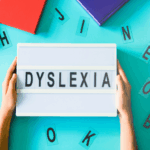
At the start of the 2025-26 school year, California implemented Senate Bill 114, which mandates reading difficulty screenings for all Kindergarten through 2nd grade students in public school districts. This improvement will provide teachers and families with valuable information about students’ reading challenges and aligns with Science of Reading practices. The Science of Reading encompasses decades of research on how children learn to read and how to support struggling readers. “Reading difficulties” encompasses various challenges related to memory, processing, or dyslexia.
Assessment Selection and Implementation
Last spring, California school districts selected from four approved assessments: Amira, mCLASS, Multitudes, and Rapid Online Assessment of Reading (ROAR). Districts must implement their chosen Reading Difficulties Risk Screener (RDRS) at least once yearly with fidelity to meet education code requirements. Teachers received training on their selected assessment, which measures foundational reading skills, including phonological awareness, phonics, and reading fluency.
Support Systems for At-Risk Students
Senate Bill 114 enables schools to identify at-risk students through screening. Most schools use Multi-Tiered Systems of Support to organize student populations by need. Students requiring the most support receive strategic interventions such as small groups or targeted reading instruction. Progress is monitored after 4-8 weeks of intervention. Students showing growth may reduce support, while those lacking progress may need modified or intensified interventions. Students with continued minimal growth may be referred for formal diagnostic evaluation by medical or licensed professionals.
Family Advocacy and Support
Families should discuss screening results with their child’s teacher and continue supporting literacy development through home reading, engaging story discussions, and fostering a love of reading. This screening tool represents an exciting opportunity for California schools to implement early interventions based on each child’s literacy needs.
Why Early Intervention Matters
Early intervention is essential because it allows children’s reading challenges to be identified and addressed before they become long-term obstacles—affecting not only academic performance but also their confidence. When students begin to fall behind their peers, the impact often extends beyond the classroom, influencing their motivation and self-esteem. Since children first learn to read and soon must read to learn, strong foundational literacy skills are critical for accessing grade-level content. Gaining clarity early empowers families to secure the right supports, both in and outside of school, setting students up for success.
Once identified, children benefit most from targeted, evidence-based instruction, particularly Structured Literacy. Backed by the Science of Reading, Structured Literacy provides explicit, systematic, and diagnostic teaching of foundational skills like phonics, morphology, and language structure. This approach is not only supportive but essential for students with dyslexia, and it has been shown to significantly improve outcomes.
As more schools begin shifting toward structured, research-aligned instruction, early assessment and intervention become even more impactful. Together, updated tools, clearer definitions of dyslexia, and evidence-based teaching practices create a strong pathway for students to receive effective support—and ultimately thrive as confident, capable readers.






No comment yet, add your voice below!