
No products in the cart.
1:1 Virtual Learning Vs. “Zoom School”
Many parents may believe that virtual schooling will never work for their child after experiencing “Zoom school”. However, not all virtual learning experiences are created equal.
What is Neurodiversity?
Neurodiverse learners are individuals who have neurological conditions or differences that affect their learning and cognitive abilities.

10 Tips for Managing Screen Time (Infographic)
Give 10 and 5-minute warnings when screen time is coming to an end. This allows your child ample time to wrap up a final video, game, or chat with friends.

10 Tips for Managing Screen Time
Schedule decompression time for your child or teen each day. This is a time when technology is fully on limits (within whatever parameters your family has in place).

Improve Sustained Attention (Infographic)
Build in a variety of activities during a designated work
time with choices. Try Incorporating multi-sensory techniques, movement breaks, and games too.
6 Tools to Avoid Procrastination
Do you find that your teen puts off studying until the night before the big exam? Maybe you find your child on the phone with friends instead of researching the project that is due within a week. Let’s face it, we all struggle with procrastination at times, so why would our kids be any different?
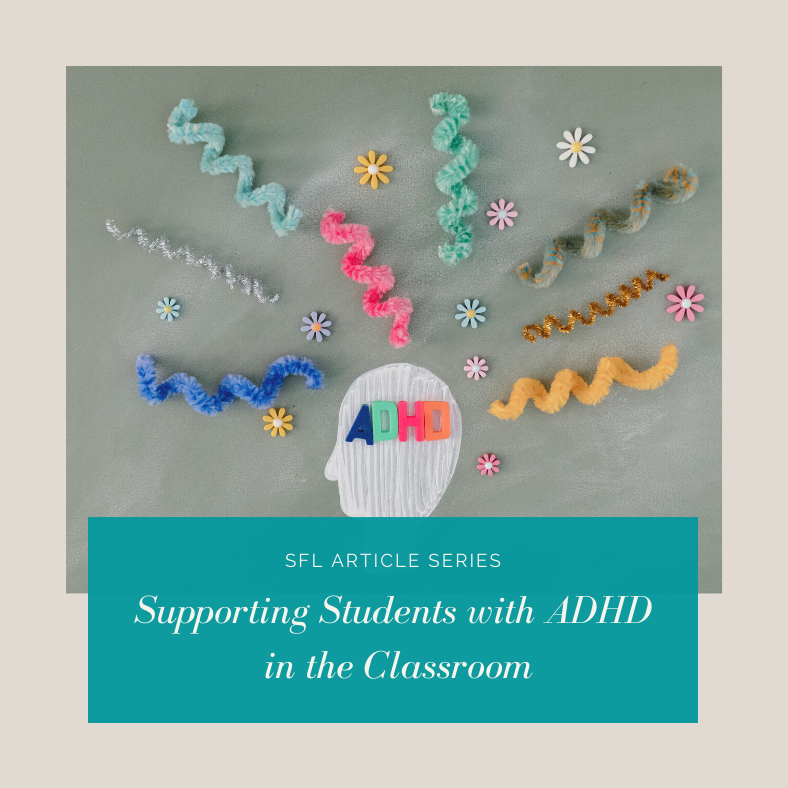
ADHD Accommodations in the Classroom
Think of what the school setting requires children to do: Sit still, listen quietly, pay attention, follow instructions, and concentrate. These are the very things kids with ADHD have a hard time doing—not because they aren’t willing, but because their brains won’t let them.
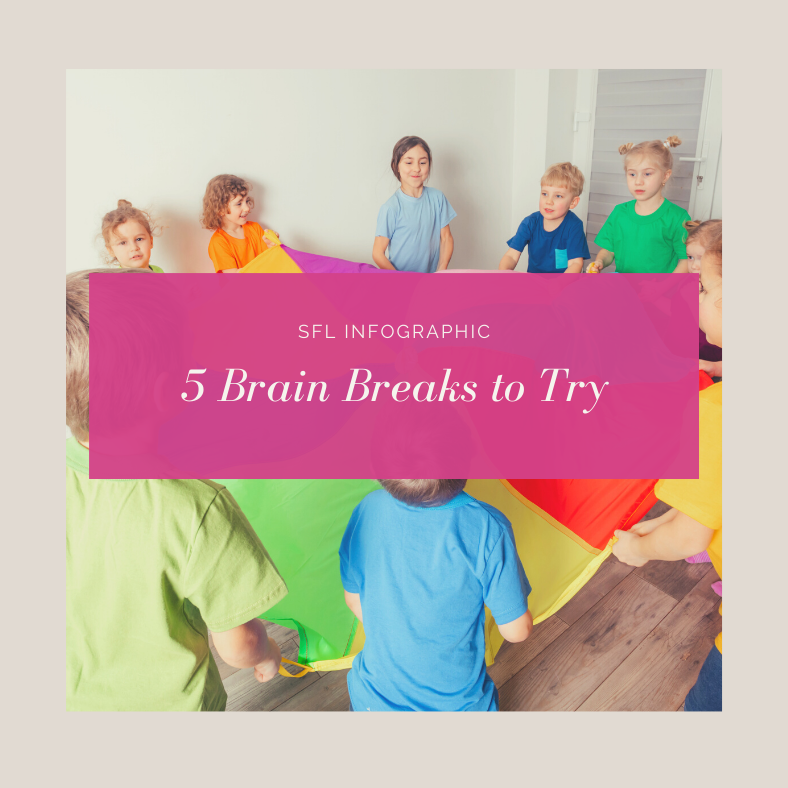
5 Brain Breaks to Try (Infographic)
Research shows periodic brain breaks can boost productivity, increase attention, reduce stress and improve memory.
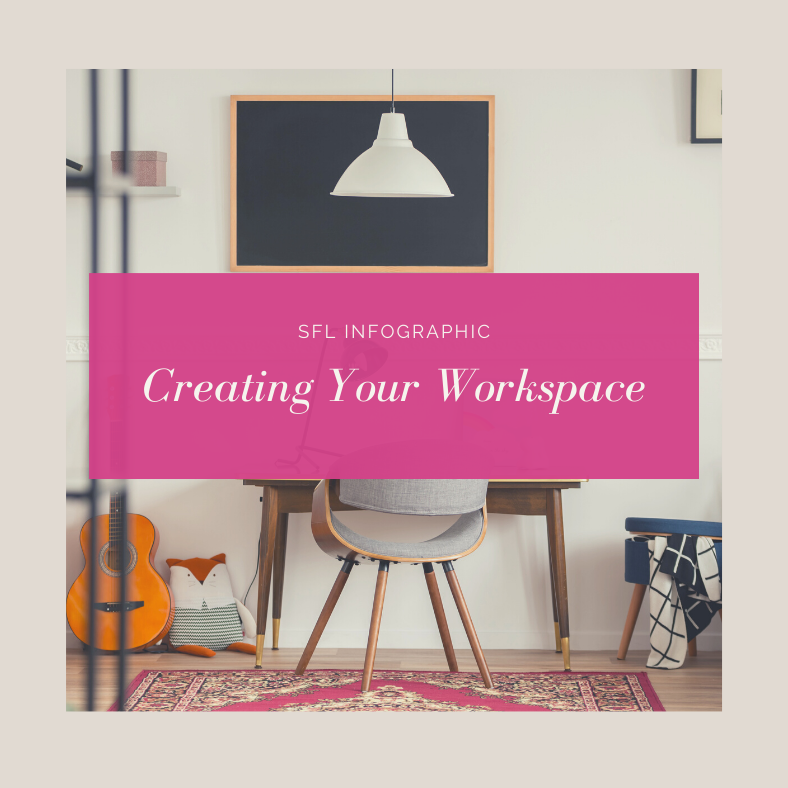
Creating Your Workspace (Infographic)
Learn more about our approach to working with students and families.

Building a Web of Support
There are many people and components that come together to create a strong web of support for your child’s educational experience. While parents and caregivers are a vital part of this support, you are not alone! We and other professionals

Does My Child Need a Tutor or an Educational Therapist/Specialist?
Educational therapy and tutoring may appear very similar, however, there are important distinctions between the two. Knowing the differences will help you determine the best fit for the needs of your child.
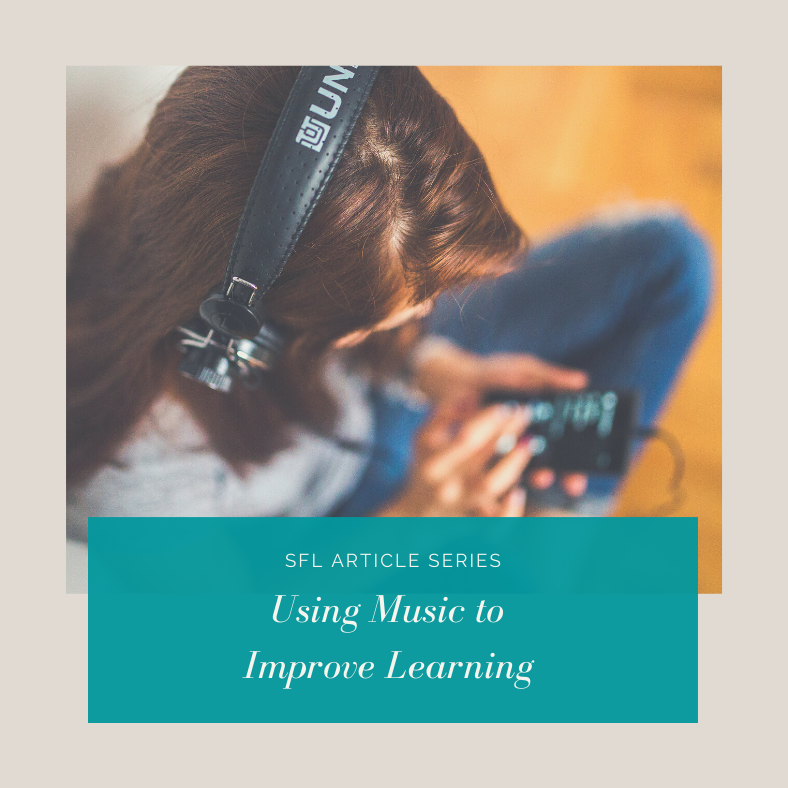
Using Music To Improve Learning
By Deshon C. Smith, M.S. Clinician at Strategies for Learning Introduction to Current Practices There are several advantages to using music in a learning environment whether it’s being delivered remotely or in a live environment. Cognitive exercises for the brain