
No products in the cart.

How Executive Function Challenges Affect Academics
Executive functioning involves the mental skills we use every day to plan, focus, organize, remember details, and manage multiple tasks at once. When a student struggles in these areas, academic content becomes hard to access—not because the material is too difficult, but because the process of producing the work is overwhelming.

Tutor or Educational Therapist? How to Know What Kind of Support Your Child Needs
Not sure whether your child needs a tutor or an educational therapist? Learn the key differences between these types of support and how to determine which approach may best address your child’s academic and learning needs.

From Knowing to Doing: Executive Functioning Framework
Students often know what they are supposed to do. They may understand the assignment, own a planner, and even be able to explain the strategy that would help. Yet the work still does not begin—or it begins but does not continue. This gap between knowing and doing is at the heart of many executive functioning challenges.

Key Indicators of Learning Progress
For children with underlying learning differences, learning takes more repetition, practice, and time. When working with an Educational Therapist, the goal is not to see how much can be taught in a single session but to help your child truly learn, remember, and apply what they have been taught independently.

Understanding the Education Recession: What Parents Can Do to Support Their Child
A recent article in The New York Times examined the troubling long-term decline in U.S. student achievement. In this article, we will dive into the causes, the exceptions, and what parents can do to support their child.

Choosing the Right School for Your Whole Child
For many families, choosing the right school for a child can feel overwhelming — especially when learning differences, attention challenges, anxiety, social-emotional needs, or diagnosed disabilities are part of the picture. Parents are often left trying to balance academics, emotional well-being, peer relationships, school culture, and the realities of what supports are actually available in different educational settings.

The 2E Learning Paradox: Supporting the “Brilliant Struggler”
To support a 2E learner effectively, we have to move away from the idea of "remediation first." Instead, we need to build an educational environment that prioritizes depth, agency, and strengths. Here are five high-leverage strategies to do exactly that.
Public or Private School? Navigating the Fork in the Educational Road
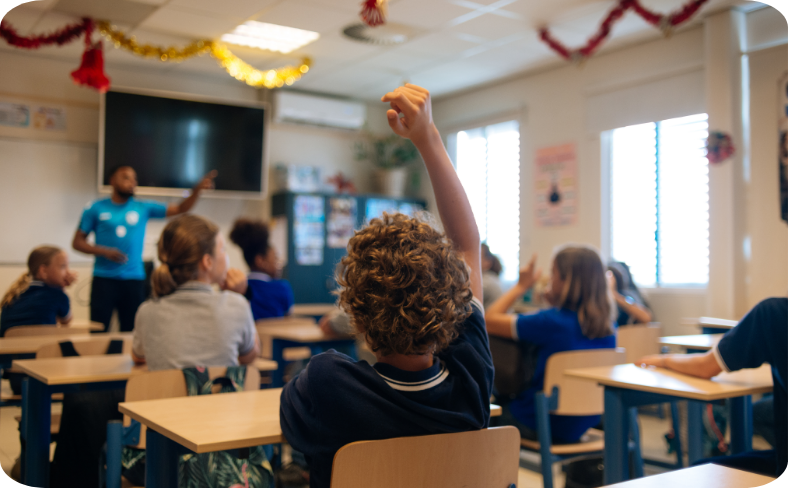
If you feel a sense of "decision paralysis" when looking at school rankings or local district maps, you aren’t alone. This is a time of exceptional educational freedom, yet along with it comes a pretty daunting question: Which environment can really provide the best support for my child’s development?

EdTech in the Classroom: What Families Need to Know
You may have come across the term EdTech, short for Educational Technology. EdTech refers to any digital tool, platform, or curriculum used to support student learning. In the classroom, this might look like a teacher projecting slides to bring a lesson to life, or using a platform to administer assessments and better understand each student's strengths and gaps.
Metacognition: The Key to Independent Learning
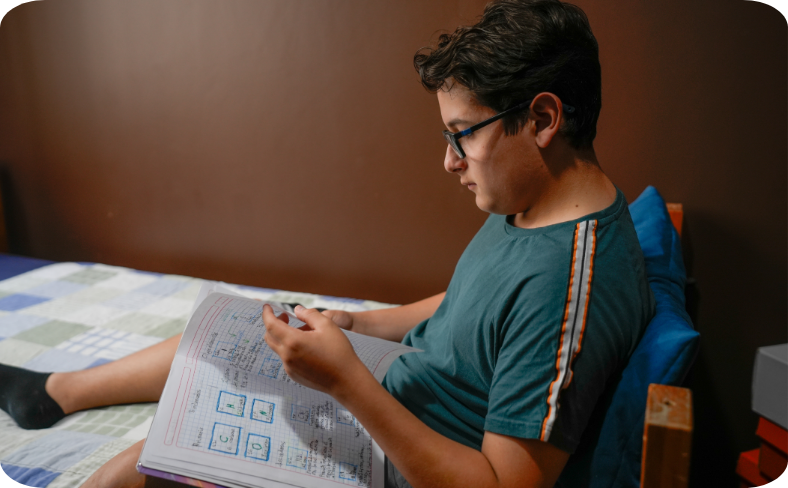
Metacognition is the key to foster indepedening learning outcomes. Metacognition has long been considered “thinking about thinking”, and it is that, but is it also so much more. Cognition is active and passive at the same time, and recognizing the differences is key to learning and retaining new content and skills. Understanding and controlling cognitive functions yield performance results and develop self-reliant learners.

How to Protect Your Child with a Disability in California
Many parents and guardians are understandably worried about recent changes at the Department of Education Office for Civil Rights (OCR). But here is the most important thing to know: your child’s rights have not changed, and you still have meaningful options, especially in California.

How Parents Can Support Responsible AI Use for School
If students aren’t taught how to use AI responsibly for school, the cheating and shortcuts will still happen—just without any guidance or guardrails. Ignoring the issue doesn’t prevent misuse; it only removes the opportunity to teach better habits.