
No products in the cart.

Tackling Procrastination in Kids with Learning Differences
Procrastination is a universal struggle! But for children with Learning Differences such as dyslexia, dysgraphia, or ADHD, it often feels insurmountable. When any learning challenge makes a task inherently more difficult, the brain naturally triggers avoidance. The key to tackling this isn’t discipline; it’s strategy, structure, and support.
Why Learning Differences Fuel Procrastination
Procrastination often isn’t a choice; it’s a self-protection mechanism! Understanding the root cause is the first step:
- Difficulty Initiating Tasks: Executive Function challenges (common in ADHD and other LDs) make it hard to shift gears and begin a task, especially one without an immediate reward (homework, book reports, science projects)
- Not knowing how to manage or account for time, students with learning differences may truly not know how long tasks should and could take.
- Perfectionism & Fear of Failure: If reading is hard (dyslexia) or writing is slow (dysgraphia), starting a project immediately confronts the child with the probability of failure or high effort/low quality, leading to avoidance. This perfectionism leads to avoidance, which can manifest in many ways. They may either be fearful to show others what is difficult for them, or they might have such a fine eye for detail that they focus on the details instead of the larger picture; completion. Asking your child what causes them to avoid a task might uncover the underlying fear.
- Being Overwhelmed: A big project looks like one massive, impossible hurdle, triggering anxiety instead of action. Even a simple night of homework with multiple assignments might require too many steps for the child to plan out and initiate effectively.
Core Strategies to Start Strong
1. The Power of Chunking (Micro-Steps)
The simplest way to beat the overwhelmed feeling and tackle procrastination in students with learning differences is to make the task ridiculously small.
- Identify the First Action: Break the task down until the first step takes less than five minutes. For a book report, the first step isn’t “Read the first chapter”; it’s “Find the book and a pen.” For a math worksheet, it’s “Write your name on the paper.”
- The 15-Minute Rule: Use a timer and agree to work for just 15 focused minutes. Knowing the end is in sight makes the start less intimidating. The work often continues naturally once momentum is built.
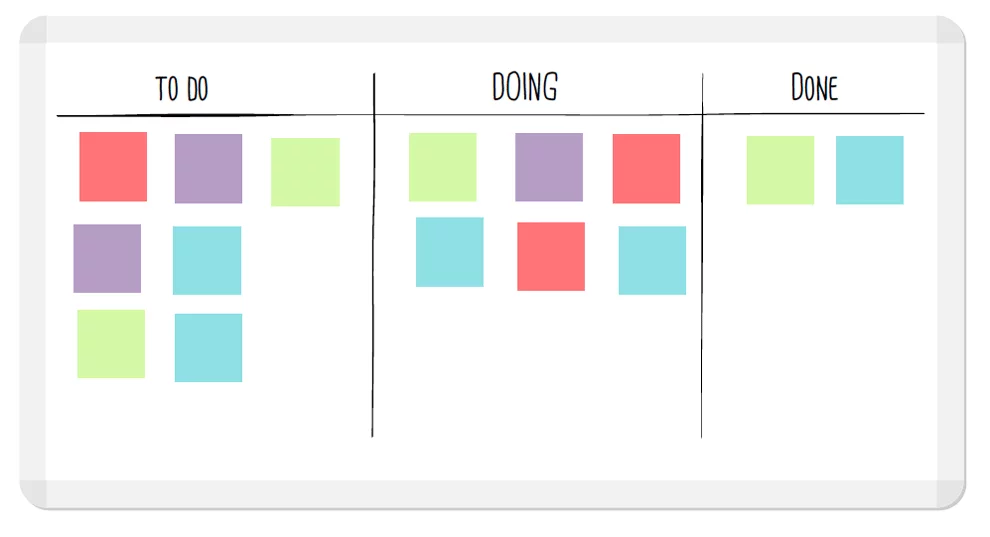
- Use Visual Maps: Help the child visualize the process. Use a checklist, a Kanban board (To Do, Doing, Done), or a mind map to show the steps and the progress they’ve made. This helps them in the moment and also starts building longer-term habit loops.
2. Externalizing Time and Focus
Kids with Learning Differences often struggle with time blindness—the inability to accurately sense the passage of time or plan for the future.
- Implement a “Time Block” Schedule: Use visual tools like a clock, calendar, or a dedicated time-management app. Instead of saying, “Do your homework after dinner,” say, “From 6:30 PM to 7:30 PM is dedicated homework time.”
- The Pomodoro Technique: Work for 25 minutes (or less, like 15 minutes) and take a 5-minute break. This structure manages energy and provides predictable rewards.
- Time Analysis Task: If your child struggles with time allotment, have them complete a Time Analysis Task. Ask them to estimate the time they think the task will take, and have them write out the steps they will need to complete. Set a timer. Once the task is done, have them compare their time estimate with their actual time. This process helps them develop their metacognitive skills and build stronger executive function skills.
- The “Body Doubling” Effect: Have the child work near a supportive adult (a parent, tutor, or teacher). The mere presence of another focused person can significantly improve attention and initiation, even if the adult isn’t actively helping with the work.
Watch a recording our a Parent Workshop demonstrating how these Time Management Strategies can be implemented.
Supporting Skill Development
Tackling procrastination long-term requires teaching the executive function skills, which are often even more difficult for students with learning differences.
- Teach Self-Monitoring: Help your child identify why they procrastinate. Ask, “What made you stop working just now?” or “How does your body feel when you have to start this?” This builds self-awareness.
- Establish a Predictable Routine: Consistency reduces the need to make decisions, which is tiring for the LD brain. Set the same time and place for homework every day.
- Utilize Assistive Technology (AT): If the LD is the obstacle, remove it with AT. For a child with dysgraphia, using speech-to-text software eliminates the pain of writing and allows them to focus on the task’s content. For dyslexia, text-to-speech software reduces reading fatigue. Learn more about the use of Assistive Technology.
★Remember always to separate the child from the behavior. Remind your child, “You are not lazy; your brain just processes information in a way that requires a different strategy.” Success is not about finishing the task flawlessly; it’s about starting and maintaining momentum. Celebrate every small step of progress!
Written by Jessica Ghassmi, M.A., CALT
Jessica holds a Master of Arts in Learning Disabilities from Teachers College, Columbia University. While at Teachers College, Jessica enrolled in an Orton-Gillingham curriculum and completed an extensive postgraduate instruction, which led to her ALTA Certification as an Academic Language Therapist. She is a special education teacher who has spent nearly two decades teaching students from Pre-K to adulthood, helping them become successful and independent learners.






No comment yet, add your voice below!